
Blog
The Future of Regenerative Therapy is Here: Why Softwave Leads the Way
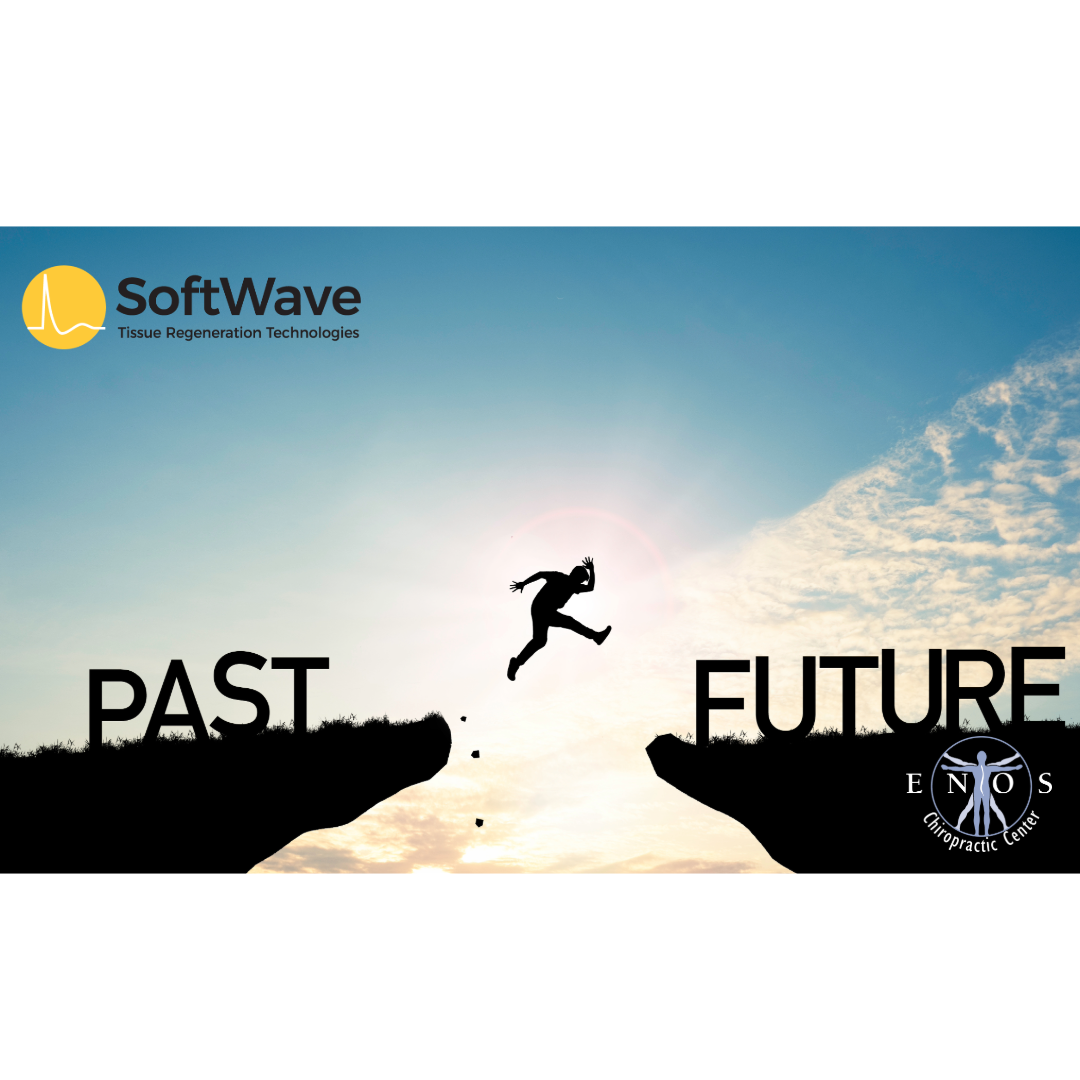
Healthcare is shifting away from symptom management and toward true regeneration. Patients today want solutions that help the body heal itself, reduce reliance on medications, and avoid surgery whenever possible. Regenerative therapy is at the center of this shift—and Softwave is leading the way.
At Enos Chiropractic Center, we are proud to offer Softwave TRT, an advanced, non-invasive regenerative therapy designed to stimulate healing at the cellular level and help patients recover faster, move better, and live with less pain.
What Is Regenerative Therapy?
Regenerative therapy focuses on repairing and restoring damaged tissue rather than simply masking symptoms. Instead of targeting pain alone, it activates the body’s natural healing processes to regenerate cells, improve circulation, and restore function.
Traditional approaches such as pain medications or injections may provide temporary relief, but they often fail to address the underlying tissue damage. Regenerative therapies aim to change that by promoting long-term healing.
Why Softwave Stands Apart
Softwave Tissue Regeneration Technology (TRT) represents the next generation of regenerative care. Using advanced acoustic wave technology, Softwave delivers targeted sound waves deep into tissue to activate a powerful biological response—without needles, drugs, or downtime.
What makes Softwave unique is its ability to stimulate stem cell activation, improve blood flow, and reduce inflammation simultaneously. This multi-layered approach allows tissues to heal more effectively than traditional treatment methods.
How Softwave TRT Works at the Cellular Level
Softwave TRT creates controlled mechanical stimulation within injured or stressed tissue. This stimulation triggers a cascade of healing responses, including:
- Activation of resident stem cells
- Increased circulation and oxygen delivery
- Reduction of chronic inflammation
- Improved cellular metabolism and communication
- Regeneration of damaged soft tissue
These responses help restore tissue integrity and function, making Softwave effective for both acute injuries and chronic conditions.
Conditions That Benefit from Softwave TRT
Because Softwave works at the cellular level, it can be used to support healing across a wide range of conditions, including:
- Chronic joint pain and arthritis
- Tendon and ligament injuries
- Plantar fasciitis
- Shoulder, knee, hip, and elbow pain
- Neuropathy and nerve-related conditions
- Sports injuries and overuse conditions
Its versatility and effectiveness make Softwave a cornerstone of modern regenerative care.
Why Patients Are Choosing Softwave Over Traditional Options
Patients are increasingly seeking alternatives to invasive procedures and long recovery times. Softwave TRT offers several key advantages:
- Non-invasive and drug-free
- No injections or anesthesia
- Minimal discomfort during treatment
- No downtime or recovery period
- Designed to support long-term healing, not temporary relief
This makes Softwave an ideal option for individuals who want results without interrupting their daily lives.
Softwave TRT at Enos Chiropractic Center
At Enos Chiropractic Center, Softwave TRT is integrated into personalized care plans that address spinal health, biomechanics, and overall function. By combining regenerative therapy with chiropractic care and corrective strategies, we help create an optimal environment for healing.
Our approach focuses on restoring movement, reducing pain, and supporting lasting results—not just short-term symptom management.
Experience the Future of Healing Today
Regenerative therapy is redefining what’s possible in pain relief and recovery, and Softwave is at the forefront of that evolution. If you’re looking for a cutting-edge, non-surgical solution that works with your body rather than against it, Softwave TRT may be the answer.
Contact Enos Chiropractic Center today to learn how Softwave TRT can help you experience the future of regenerative healing—now.
‹ Back


 12 Calef Street

Comments