


Blog
Hip Pain and Bursitis: Staying Mobile Without Surgery

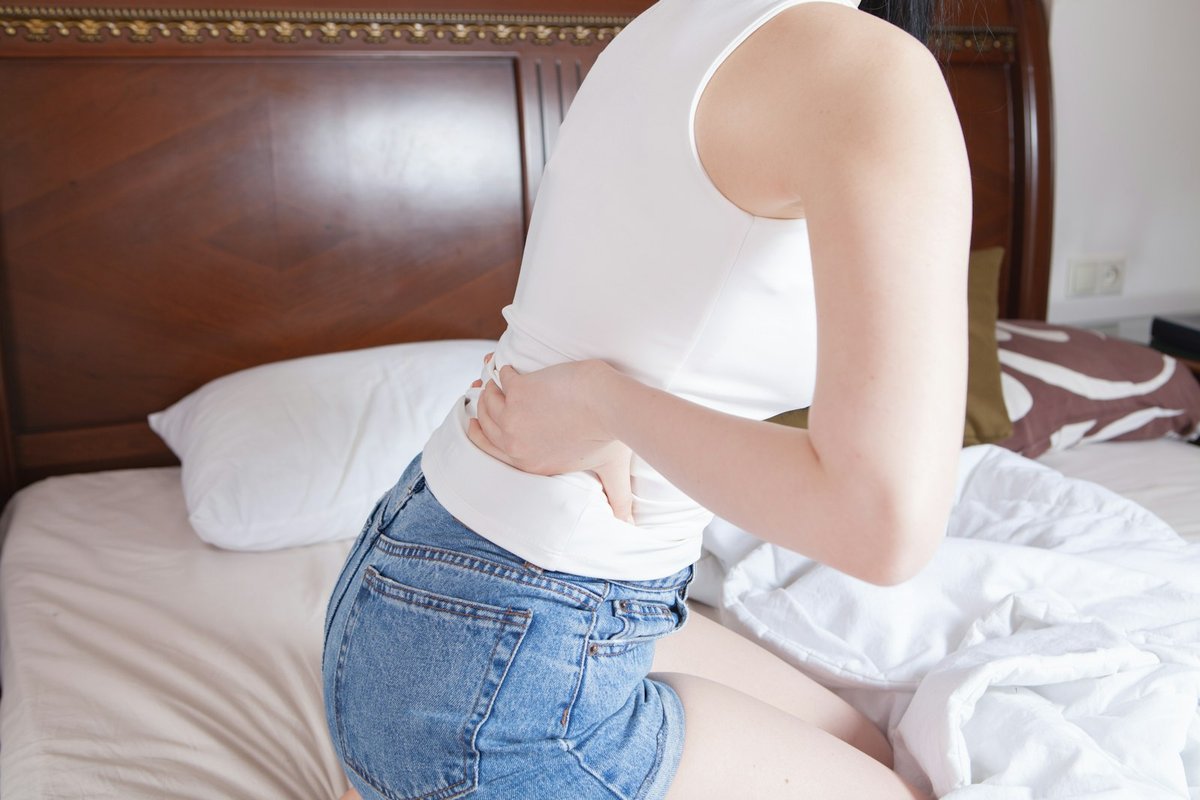
Hip pain rarely announces itself dramatically. More often it shows up as a deep ache on the outside of the hip when you lie on that side at night, a stiffness getting out of the car, or a nagging soreness after a walk that never used to bother you. Because the hip is central to nearly every step you take, even moderate hip pain has an outsized effect on your life—it shortens your walks, changes how you move, and gradually shrinks the list of things you’re willing to do.
At Enos Chiropractic Center, we help patients address hip pain at its source instead of managing it indefinitely. One of the most effective non-invasive tools we offer is Softwave TRT.
What Causes Pain on the Outside of the Hip?
When people say “hip pain,” they’re often describing one of several different problems. The most common by far is pain over the bony point on the outside of the hip—the greater trochanter. This area contains several tendons and fluid-filled sacs called bursae that cushion the tendons as they glide over bone.
For years this was simply called hip bursitis. We now understand that in most cases the primary problem is irritation and degeneration of the gluteal tendons that attach there, with bursal inflammation as a secondary effect. That distinction matters, because it changes what actually helps. If the tendon is the problem, treatments aimed only at calming the bursa tend to produce short-lived results.
What Contributes to Hip Pain?
Hip pain usually develops from accumulated stress rather than a single injury. Common contributors include:
- Weakness in the gluteal muscles that stabilize the pelvis
- Long periods of standing, walking on uneven ground, or stair climbing
- Sudden increases in walking or running mileage
- Prolonged sitting, which shortens the hip flexors and quiets the glutes
- Leg length differences and altered walking mechanics
- Compensating for pain elsewhere—a bad knee, ankle, or low back
- Age-related decline in tendon elasticity and blood supply
- Arthritis inside the hip joint itself
That compensation point comes up often in our office. When one part of the body hurts, you unconsciously shift weight away from it, and the hip frequently absorbs the difference. Patients are sometimes surprised that the reason their hip started hurting has more to do with a foot or knee problem they’ve had for years.
Why Hip Pain Tends to Linger
Tendons heal slowly. They have a limited blood supply compared to muscle, and the gluteal tendons are loaded with every single step—there’s no realistic way to fully rest them while still living your life. When irritation persists, the tendon structure changes: healthy, well-organized fibers are replaced by weaker, disorganized tissue that tolerates less load than it used to.
At the same time, pain causes the surrounding muscles to weaken and switch off. Weaker glutes mean the pelvis is less stable during walking, which puts even more strain on the irritated tendon. It becomes a self-sustaining loop: pain leads to weakness, weakness leads to more strain, more strain leads to more pain. Rest interrupts it briefly, but the moment you resume normal walking the cycle picks up where it left off.
Signs It’s Time to Have Your Hip Evaluated
Consider getting your hip looked at if you notice:
- Aching or sharp pain over the outside of the hip
- Pain when lying on that side at night
- Discomfort with stairs, getting out of a car, or standing from a chair
- Pain that radiates down the outside of the thigh
- Stiffness in the morning or after sitting for a while
- A limp, or the sense that you’re favoring one leg
- Groin pain deep in the joint, which may indicate hip arthritis
How Softwave TRT Works
Softwave Tissue Regeneration Technology (TRT) uses advanced acoustic waves to stimulate the body’s natural healing response deep within irritated tissue—without needles, drugs, or downtime. Around the hip, those waves reach the gluteal tendons and surrounding soft tissue where the trouble usually begins.
Softwave TRT helps by:
- Increasing blood flow and oxygen delivery to the hip tendons
- Stimulating stem cell activation and tissue regeneration
- Reducing chronic inflammation around the joint and bursa
- Breaking down scar tissue and adhesions
- Supporting healthier, more resilient tendon tissue
Instead of dulling the ache so you can keep loading damaged tissue, this approach works to improve the tissue itself—which is what breaks the pain-and-weakness cycle rather than pausing it.
If hip pain is shortening your walks or stealing your sleep, you have options worth exploring. Contact Enos Chiropractic Center to learn whether Softwave TRT could help your hip.
What to Expect During Softwave TRT Treatment
Softwave TRT sessions are quick and comfortable. A handheld applicator delivers acoustic waves around the hip and upper thigh, and most patients describe a tapping sensation with mild warmth. There are no injections, no anesthesia, and no recovery time—you can walk out and continue your day, including your normal walk if you’re up for it. For patients who’ve been told their options are cortisone or eventually a hip replacement, a non-invasive alternative is a welcome middle ground.
How Many Sessions Will You Need?
The number of sessions depends on how long the hip has been bothering you and how much tissue change has occurred. Patients with a few months of symptoms often progress more quickly than those who’ve been managing hip pain for years. At Enos Chiropractic Center, we’ll assess your hip, pelvis, gait, and the joints above and below it, then build a plan around what we find and adjust as you improve.
How Softwave TRT Can Help Hip Pain
By restoring circulation to tissue that heals slowly on its own, Softwave TRT gives the hip a genuine opportunity to recover. Many patients experience:
- Reduced pain with walking, stairs, and standing
- Better sleep with less pain lying on the affected side
- Improved hip mobility and comfort getting up from a seated position
- Better tolerance for the strengthening work that stabilizes the hip
- More confidence staying active without triggering a flare-up
Everyday Habits That Protect Your Hips
Small adjustments help considerably. Avoid standing with your weight shifted onto one hip—that position compresses the very tendons that hurt. When sleeping on your side, place a pillow between your knees to keep the top hip from dropping across your body. Break up long sitting stretches, since prolonged sitting quiets the glutes that stabilize your pelvis. Build walking distance gradually rather than jumping to a long outing after weeks of little activity. And take strengthening work seriously once your hip tolerates it, because strong glutes are the best long-term protection a hip has.
Considering the Alternatives
Conventional care for hip pain typically moves from anti-inflammatories and rest to cortisone injections, and for hip joint arthritis, eventually to replacement surgery. Injections can provide meaningful short-term relief, but they treat inflammation rather than the tendon degeneration underneath it, and repeated injections may weaken tendon tissue. Hip replacement is a remarkably successful operation when a joint is truly worn out—but it’s major surgery, and a great many people with outside-hip pain don’t have a joint problem at all. Sorting out which structure is actually causing your pain is the first step, and it’s where a thorough evaluation earns its keep.
Softwave TRT at Enos Chiropractic Center
At Enos Chiropractic Center, Softwave TRT is combined with chiropractic care, gait and movement assessment, and progressive strengthening for the muscles that support the pelvis. The hip sits in the middle of a chain that runs from the foot to the low back, and problems anywhere along that chain tend to end up as hip pain. Looking at how you actually move—not just where it hurts—is what keeps improvement from unraveling a few months later.
Keep Walking, Keep Moving
Hip pain doesn’t have to shrink your world one activity at a time. Softwave TRT offers a drug-free, non-surgical way to support healing in the tissue that’s causing your pain—so you can walk, climb stairs, and sleep on your favorite side again.
Contact Enos Chiropractic Center today to learn how Softwave TRT can help you stay mobile and comfortable.
‹ Back
Recent Posts
-

Old Ankle Sprains That Never Fully Healed
September 29, 2026
-
Chronic Low Back Pain: Why It Keeps Coming Back
September 22, 2026
-

TMJ and Jaw Pain: Relief for a Clicking, Aching Jaw
September 15, 2026
-

Tension Headaches and Migraines: The Neck Connection
September 8, 2026
-
Hip Pain and Bursitis: Staying Mobile Without Surgery
September 1, 2026
 12 Calef Street