
Blog
Plantar Fasciitis: Why That First-Step Heel Pain Lingers and How Softwave TRT Can Help
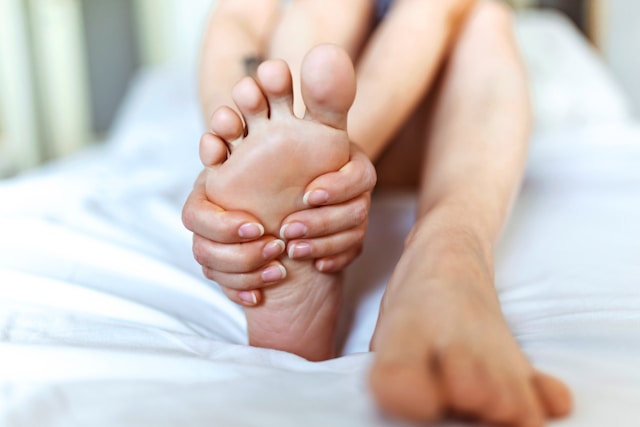
That sharp, stabbing pain in your heel when you take your first steps in the morning is one of the most recognizable signs of plantar fasciitis. For many people, it eases as they get moving—only to return after long periods of standing, walking, or exercise. Left unaddressed, it can linger for months and quietly change the way you move, the shoes you wear, and the activities you’re willing to do.
At Enos Chiropractic Center, we help patients get to the root of stubborn heel pain instead of simply masking it. One of the most effective non-invasive options we offer for plantar fasciitis is Softwave TRT.
What Is Plantar Fasciitis?
Plantar fasciitis is inflammation and irritation of the plantar fascia, the thick band of tissue that runs along the bottom of your foot and connects your heel to your toes. This tissue acts like a shock absorber and a bowstring, supporting the arch of your foot with every step you take. When it’s repeatedly overloaded, tiny tears develop along the fascia, leading to pain, stiffness, and inflammation—most often felt near the heel.
The hallmark symptom is that first-step pain in the morning or after sitting for a while. As the tissue warms up and stretches, the pain may fade, but it commonly returns after long periods on your feet or once you cool down again.
Why Plantar Fasciitis Often Lingers
Heel pain becomes chronic for the same reason many soft-tissue injuries do: the area is under constant stress and gets very little time to truly rest. Every step you take loads the fascia again. Common contributing factors include:
- Long hours standing or walking on hard surfaces
- Tight calf muscles and Achilles tendons
- Flat feet, high arches, or poor foot mechanics
- Worn-out or unsupportive footwear
- Sudden increases in activity or running mileage
- Carrying extra body weight
Because the plantar fascia has a limited blood supply, healing is naturally slow. When inflammation persists, the tissue can thicken and form scar tissue, which keeps the pain cycle going and makes flare-ups more likely. Many people try rest, ice, stretching, and over-the-counter inserts—and while those steps can help, they often don’t fully resolve the underlying tissue damage.
Signs It May Be Time to Seek Help
Occasional foot soreness is normal, but plantar fasciitis tends to announce itself with patterns that don’t go away on their own. Consider professional care if you notice:
- Sharp heel pain with your first steps that has lasted more than a few weeks
- Pain that worsens after exercise rather than during it
- Stiffness in the arch or heel after sitting or driving
- Discomfort that is changing the way you walk or stand
- Heel pain that limits your work, workouts, or daily routine
The sooner the underlying irritation is addressed, the less opportunity scar tissue has to build up and prolong your recovery.
How Softwave TRT Works
Softwave Tissue Regeneration Technology (TRT) uses advanced acoustic waves to stimulate the body’s natural healing response. These sound waves penetrate deep into the damaged tissue without breaking the skin, jump-starting repair exactly where it’s needed most.
Softwave TRT helps by:
- Increasing blood flow to the plantar fascia and heel
- Stimulating stem cell activation and tissue regeneration
- Breaking down scar tissue and adhesions
- Reducing chronic inflammation
- Improving the strength and flexibility of the fascia
Instead of simply numbing the pain, this approach targets the underlying tissue damage causing it—which is why so many patients see results that last rather than relief that fades by the afternoon.
If you’ve been fighting heel pain for weeks or months, you don’t have to keep guessing. Contact Enos Chiropractic Center to find out whether Softwave TRT is right for your feet.
What to Expect During Softwave TRT Treatment
One of the reasons patients appreciate Softwave TRT is how simple the experience is. Sessions are quick, comfortable, and require no needles, anesthesia, or downtime. During treatment, a handheld applicator delivers acoustic waves directly to the heel and arch. Most people feel a tapping sensation and warmth in the area, but the treatment is well tolerated and you can walk out and resume your day immediately.
Because there’s no recovery period, Softwave TRT fits easily into a lunch break or a busy schedule—an important advantage for people whose work keeps them on their feet.
How Many Sessions Will You Need?
Every case of plantar fasciitis is a little different, so the number of sessions varies based on how long you’ve had symptoms and how your tissue responds. Many patients notice improvement within the first few visits, with continued progress as the fascia heals over a series of treatments. At Enos Chiropractic Center, we’ll evaluate your foot mechanics and build a treatment plan tailored to your specific situation—rather than a one-size-fits-all schedule.
How Softwave TRT Can Help Plantar Fasciitis
Softwave TRT is especially helpful for heel pain that hasn’t responded to rest, stretching, or orthotics alone. By restoring circulation and encouraging regeneration, it allows the fascia to heal more completely. Many patients experience:
- Less morning heel pain and stiffness
- Easier standing and walking throughout the day
- Faster recovery after exercise
- Improved foot mechanics and comfort
- A lower risk of recurring flare-ups
Supporting Your Recovery at Home
Softwave TRT works best when paired with smart daily habits that take stress off the plantar fascia. Simple steps can make a meaningful difference, including gentle calf and foot stretching, wearing supportive footwear, avoiding going barefoot on hard floors, gradually increasing activity rather than overloading the foot, and giving your feet time to recover after long days. We’ll guide you on which strategies matter most for your specific case.
Softwave TRT at Enos Chiropractic Center
At Enos Chiropractic Center, Softwave TRT is often combined with chiropractic care, gait and posture evaluation, and targeted stretching recommendations to address the movement patterns that put stress on your feet. Heel pain rarely exists in isolation—how you walk, how your hips and ankles move, and how your weight is distributed all play a role. Our personalized care plans are designed to support long-term healing, not just temporary relief.
Take the First Step Toward Pain-Free Mornings
If plantar fasciitis is making every first step painful, it may be time to explore a more advanced solution. Softwave TRT offers a drug-free, non-surgical option that helps your body repair the tissue causing your heel pain—so you can get back to moving comfortably.
Contact Enos Chiropractic Center today to learn how Softwave TRT can help you get back on your feet comfortably and confidently.
‹ Back




 12 Calef Street